





Lung Cancer
Latest News
Advertisement
Latest Videos





































































Advertisement
More News

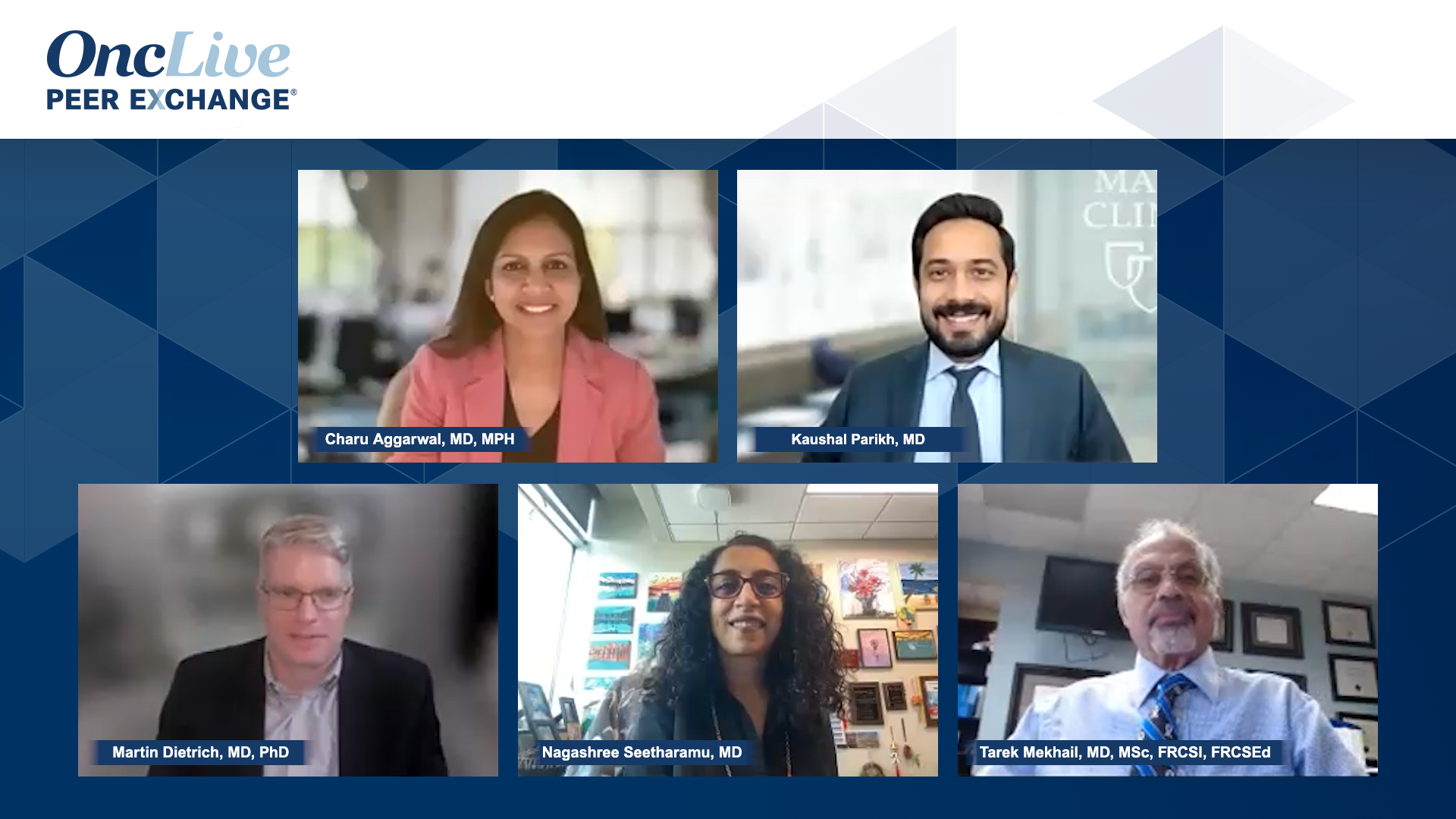
Key opinion leaders Charu Aggarwal, MD, MPH, and Melina E. Marmarelis, MD, reflect on their institution’s practices with regard to molecular profiling and its impact on treatment pathways in the setting of metastatic NSCLC.
Shared insight into the comprehensive list of molecular targets in metastatic NSCLC, from point mutations like EGFR and KRAS to fusions such as ALK and ROS1, understanding the challenges of comprehensive testing and treatment implications.

Aumolertinib plus anlotinib resulted in intracranial efficacy when used in the first-line treatment of patients with EGFR-mutant non–small cell lung cancer who have brain metastases.
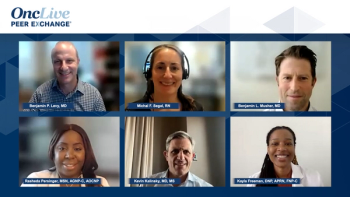
Experts in breast, lung, and gastric malignancies provide insights on multidisciplinary care in oncology and educating community specialists.
Medical oncologists discuss prospects and challenges in the breast and lung cancer treatment landscapes.

Jonathan W. Riess, MD, MS, discusses how prior data led to the investigation of IO102-IO103 in combination with pembrolizumab in patients with PD-L1–high non–small cell lung cancer adenocarcinoma and details the initial efficacy and safety data reported in this population.

Solange Peters, MD, PhD, reviews key data from TROPION-Lung01 investigating datopotamab deruxtecan (Dato-DXd) in patients with previously treated advanced non–small cell lung cancer.

Clinical insights on how the level of PD-L1 expression informs treatment decisions for patients with non–small cell lung cancer.

The Center for Drug Evaluation of China’s National Medical Products Administration has accepted the new drug application seeking the approval of the next-generation ROS1 TKI taletrectinib for the treatment of patients with locally advanced or metastatic ROS1-positive non-small cell lung cancer with prior exposure to a ROS1 TKI.
Experts review a patient scenario of metastatic non-squamous NSCLC and discuss complexities and challenges of initiating timely molecular testing, examining its impact on treatment decisions and patient outcomes.
Explore the dynamic landscape of metastatic non-squamous non-small cell lung cancer treatment, focusing on molecular genotyping, targeted therapies, and the evolving standard of care.

A supplemental biologics license application seeking the approval of amivantamab in combination with platinum-based chemotherapy for the treatment of patients with locally advanced or metastatic non–small cell lung cancer harboring EGFR exon 19 deletions has been submitted to the FDA.
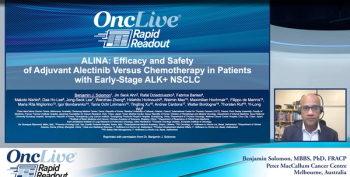
Benjamin Solomon, MBBS, PhD, FRACP, presents key data from the ALINA study investigating alectinib versus chemotherapy as adjuvant therapy in patients with stage IB–IIIA anaplastic lymphoma kinase-positive (ALK+) non-small cell lung cancer (NSCLC).
Specialists in gastric cancer look to the future treatment landscape and review ongoing research in the disease space.
Clinical insights on best practices for treating patients with TROP2-targeted therapy.
Experts reflect on the evolving landscape of biomarker testing in lung cancer, examining its crucial role in treatment decisions and advancements in perioperative and adjuvant therapies.
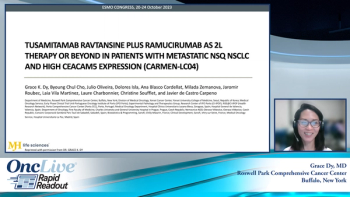
Grace Dy, MD, presents data from the CARMEN-LC04 study evaluating safety and anti-tumor activity of tusamitamab ravtansine combined with ramucirumab in high CEACAM5-expressing non-squamous cell (NSQ) NSCLC tumors.
Explore the latest breakthroughs in precision medicine with a focus on biomarker testing and emerging targets in patients with non–small cell lung cancer.

China’s National Medical Products Administration has granted conditional marketing approval to vebreltinib for the treatment of patients with non–small cell lung cancer harboring MET exon 14 skipping mutations.

Vamsidhar Velcheti, MD, discusses the significance of the FDA approval of the ROS1 TKI repotrectinib in patients with ROS1-positive metastatic non–small cell lung cancer.
The FDA has approved repotrectinib (Augtyro) for the treatment of adult patients with locally advanced or metastatic ROS1-positive non–small cell lung cancer.
Experts on non–small cell lung cancer discuss the role of CTLA-4 inhibitors in the NSCLC treatment landscape.
A panel of thoracic medical oncologists provide an overview of first-line treatment strategies for advanced non–small cell lung cancer (NSCLC).
Hossein Borghaei, DO, MS, discusses the importance of determining the most suitable treatment for patients with non–small cell lung cancer through the use of biomarker testing.
Stephen V. Liu, MD, discusses the benefits of conducting biomarker testing for patients with advanced non–small cell lung cancer and highlights the importance of waiting for the results before selecting a targeted treatment.
Advertisement
Advertisement
Trending on OncLive
1
FDA Approves Tucatinib Plus Trastuzumab/Pertuzumab as First-Line Maintenance in Advanced HER2+ Breast Cancer
2
FDA Grants Breakthrough Device Designation to Natera’s Multi-Cancer Early Detection Assay
3
VIR-5500 Receives FDA Fast Track Designation in mCRPC
4
Iberdomide Plus Daratumumab/Dexamethasone Yields Significant PFS Benefit in R/R Myeloma
5