

Melanoma & Skin Cancer
Latest News
Advertisement
Latest Videos

































































Advertisement
More News

Elizabeth I. Buchbinder, MD, discusses findings from a retrospective study evaluating the resumption of nivolumab maintenance therapy in patients with advanced melanoma who discontinued treatment with the combination of nivolumab and ipilimumab due to immune-related adverse effects.
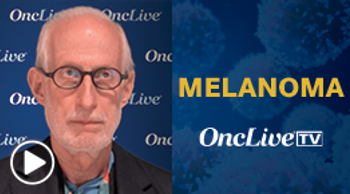
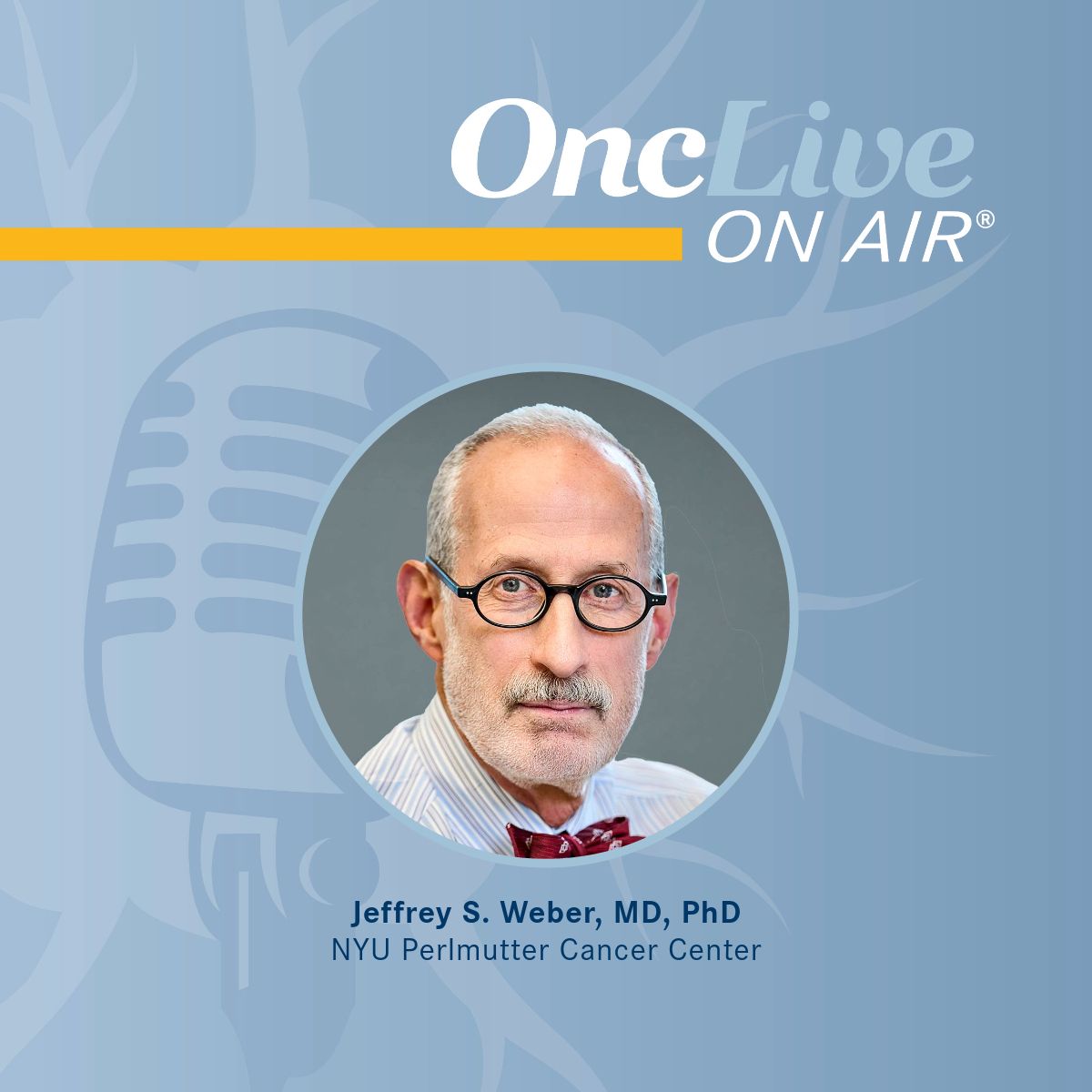
Jeffrey S. Weber, MD, PhD, discusses findings from the phase 2b mRNA-4157-P201/KEYNOTE-942 trial of mRNA-4157 in combination with pembrolizumab in resected high-risk melanoma.
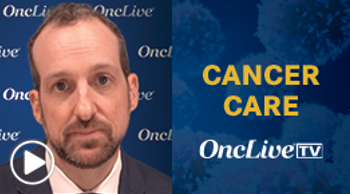
Neil D. Gross, MD, FACS, discusses 1-year follow-up data from a phase 2 study of neoadjuvant cemiplimab in cutaneous squamous cell carcinoma.
Meredith McKean, MD, MPH, discusses the efficacy and safety of treatment with the anti-TGIT agent etigilimab and the PD-1 inhibitor nivolumab in patients with solid tumors and PD-L1-low disease.

Danielle K. DePalo, MD, explains the lack of research directly comparing first-line treatment options for patients with unresectable melanoma in-transit metastases, expands on the safety and efficacy of 3 treatment modalities for these patients, and underscores the need for more data to inform the management of these patients.

The addition of mRNA-4157 to pembrolizumab led to clinically significant improvements in relapse-free survival and distant metastasis–free survival vs pembrolizumab alone in patients with high-risk resected melanoma.

Perioperative treatment with cemiplimab continued to produce signs of efficacy in patients with resectable stage II to IV cutaneous squamous cell carcinoma.

Lifileucel demonstrated clinically meaningful activity in patients with advanced mucosal melanoma who experienced disease progression on immune checkpoint inhibitors, according to findings from a subgroup of patients in the phase 2 C-144-01 study.

The 2023 ESMO Congress, which is taking place in Madrid, Spain, and will continue to be accessible online via a virtual platform, is gearing up to kick off, and the oncology community is ready to learn more about the latest data across malignancies.
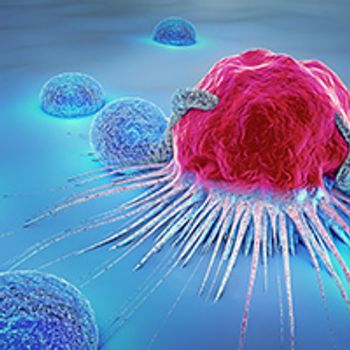
Neoadjuvant treatment with intratumoral daromun led to a statistically significant and clinically meaningful improvement in recurrence-free survival compared with surgery alone in patients with locally advanced, fully resectable melanoma, meeting the primary end point of the phase 3 PIVOTAL trial.

The FDA has approved nivolumab (Opdivo) for the adjuvant treatment of adult and pediatric patients 12 years of age and older with completely resected stage IIB or IIC melanoma.
The FDA has extended the priority review period for the biologics license application seeking the approval of the tumor infiltrating lymphocyte therapy lifileucel for the treatment of patients with advanced melanoma who progressed on or after anti–PD-1/PD-L1 therapy and targeted therapy.

Inderjit Mehmi, MD, medical oncologist, discusses the rationale for investigating the combination of fianlimab and cemiplimab in patients who have advanced melanoma with poor-risk features

Brian Gastman MD, discusses how findings from CheckMate76K contributed to the rationale for a biomarker analysis in that trial’s patient population, key findings from this biomarker analysis, and how these findings may inform further research regarding the benefits of immunotherapy in earlier-stage disease.

Nicholas Coupe, MBBS, PhD, discusses the rationale for investigating IMM60 with pembrolizumab in patients with advanced melanoma or metastatic non-small cell lung cancer, as well as key background information that led to this investigation.

Varun Monga, MD, discusses the background for investigating the protein arginine methyltransferase 5 brain-penetrant inhibitor PRT811 in a phase 1 study in patients with recurrent high-grade glioma or uveal melanoma, as well as the agent’s mechanism of action.

The European Commission has approved single-agent nivolumab for use in the adjuvant treatment of adult and adolescent patients aged 12 years or older who have stage IIB or IIC melanoma and who have undergone complete resection.

Jason Luke, MD, FACP, discusses the background of the phase 3 KEYNOTE-716 trial of pembrolizumab vs placebo as adjuvant therapy in patients with stage IIB or IIC melanoma, highlighting previous data from the trial that led to the 36-month follow-up report.

Inderjit Mehmi, MD, discusses results from a subgroup analysis of patients with advanced melanoma and poor-risk features given fianlimab and cemiplimab in a phase 1 trial.

Pembrolizumab demonstrated long-term survival benefit compared with ipilimumab in patients with unresectable stage III/IV melanoma who received up to 1 prior systemic therapy.

The natural killer T-cell agonist IMM60 may overcome resistance to PD-1 inhibitors when combined with immunotherapy in patients with melanoma and non–small cell lung cancer.

Zeynep Eroglu, MD, explains the rationale for adding navitoclax to dabrafenib plus trametinib in the treatment of patients with BRAF V600–mutant metastatic melanoma, highlights the methodologies and results of the CTEP-P9466 trial, and describes the implications of this research for this patient population.

The FDA has approved HEPZATO KIT (melphalan/Hepatic Delivery System) for use in the treatment of select patients with unresectable hepatic-dominant metastatic uveal melanoma.

The novel personalized cancer vaccine IFx-Hu2.0 was found to be safe and well tolerated with weekly dosing in patients with checkpoint inhibitor–resistant cutaneous squamous cell carcinoma and Merkel cell carcinoma, according to data from an ongoing phase 1b trial.
Treatment with the long-acting interleukin-2 superkine led to durable tumor control and no dose-limiting toxicities in patients with advanced solid tumors, according to data from the dose-escalation portion of the phase 1/2 ABILITY-1 trial.
Advertisement
Advertisement
Trending on OncLive
1
FDA Approves Atezolizumab Plus Chemo for Stage III dMMR Colon Cancer
2
VIR-5500 Receives FDA Fast Track Designation in mCRPC
3
China’s NMPA Approves Adjuvant T-DXd for HER2+ Early Breast Cancer With Residual Invasive Disease
4
Individualized Neoantigen Vaccine Elicits Durable T-Cell Responses in Resected HPV– HNSCC
5