




Ovarian Cancer
Latest News
Advertisement
Latest Videos





























































Advertisement
More News
The PARP inhibitor rucaparib slowed progression of relapsed BRCA-mutant ovarian cancer regardless of whether the mutations were somatic or germline, a new analysis of a phase II trial showed.
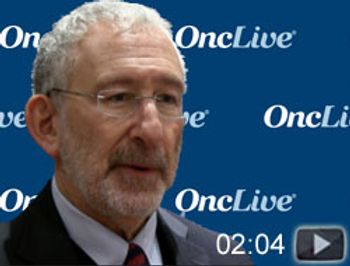
Maurie Markman, MD, president, Medicine and Science, Cancer Treatment Centers of America, editor-in-chief, OncologyLive, discusses what he would like to see accomplished in the field of ovarian cancer over the next year.
A panel of gynecologic oncology specialists discusses novel agents for the second, third, fourth, and even fifth lines of therapy and the growing importance of molecular signature, histology, and time to recurrence in treatment decisions.
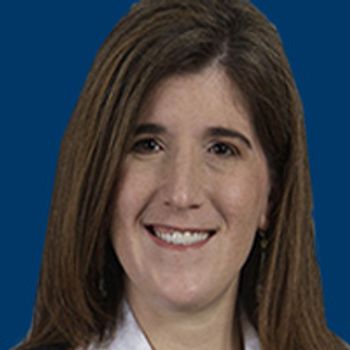
A novel targeted therapy, mirvetuximab soravtansine (IMGN853), is being investigated as a single-agent treatment for patients with advanced, platinum-resistant epithelial ovarian cancer with medium and high expression levels of folate receptor-alpha in an effort to provide an effective option for a population facing a difficult prognosis.
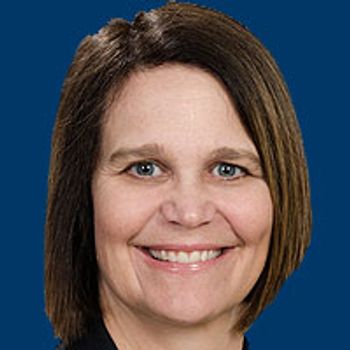
Dr. Elizabeth Swisher discusses biomarkers for PARP inhibitors and the evolving role of these agents in ovarian cancer.
Results of a phase I expansion study demonstrated a manageable safety profile and clinical activity with mirvetuximab soravtansine in the treatment of patients with platinum-resistant ovarian cancer.
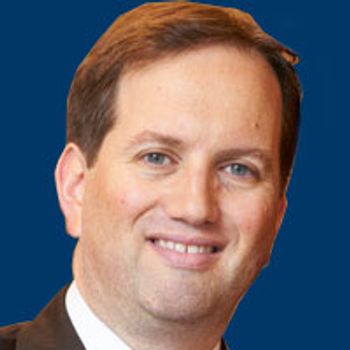
Douglas A. Levine, MD, discussed the relationship between EMSY and BRCA, the potential to target EMSY amplified tumors with PARP inhibitors, and the future of ovarian cancer treatment.
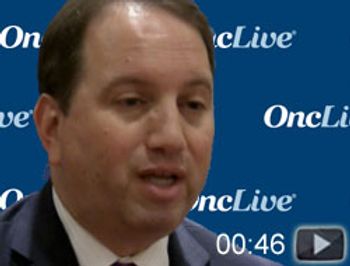
Douglas A. Levine, MD, professor, Department of Obstetrics and Gynecology, director, Division of Gynecologic Oncology, NYU Langone Medical Center, discusses some of the ongoing challenges researchers need to tackle in the field of ovarian cancer.
Mansoor Raza Mirza, MD, chief oncologist at Rigshospitalet, Copenhagen, Denmark, discusses the efficacy of niraparib as a treatment of patients with ovarian cancer.
Douglas A. Levine, MD, professor, Department of Obstetrics and Gynecology, director, Division of Gynecologic Oncology, NYU Langone Medical Center, discusses what potential PARP inhibitors could have with chemotherapy regimens as a treatment for patients with ovarian cancer.

Franco M. Muggia, MD, PhD, professor, Department of Medicine, NYU Langone Medical Center, discusses the GOG 252 trial, which looked at the use of intravenous versus intraperitoneal chemotherapy in the treatment of patients with ovarian cancer.
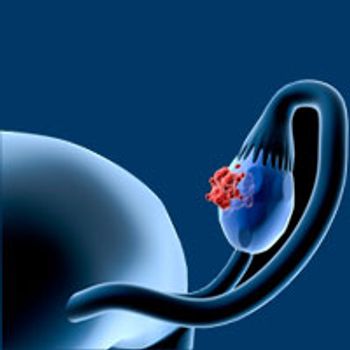
Diagnostic laparoscopy reduced the number of futile laparotomies in patients with suspected advanced-stage ovarian cancer, according to the results of a recent study.
Long or irregular menstrual cycles may be a marker of an increased risk for developing certain subtypes of ovarian cancer, according to the results of a recent study.

Franco M. Muggia, MD, discusses the results of the Gynecologic Oncology Group (GOG) 252 trial and what the findings mean regarding intraperitoneal therapy for patients with ovarian cancer.

Advertisement
Advertisement
Trending on OncLive
1
Dr Cercek on the FDA Approval of Dostarlimab for dMMR/MSI-H Locally Advanced Rectal Cancer
2
Vilamakitug Meets OS Threshold in Phase 1/2 Refractory mCRC Trial
3
Weigh Benefit Against Burden: Defining Lurbinectedin’s Role in a Shifting Small Cell Lung Cancer Landscape
4
Dr Warren on the Goal of the 4WARD Trial Evaluating Mavorixafor in Chronic Neutropenia
5