
Most patients with extremity sarcoma are willing to participate in a randomized clinical trial exploring various postoperative cancer surveillance regimens.
Most patients with extremity sarcoma are willing to participate in a randomized clinical trial exploring various postoperative cancer surveillance regimens.

The combination of tilsotolimod plus ipilimumab failed to improve objective response rate over ipilimumab alone in patients with advanced melanoma who are refractory to a PD-1 inhibitor, missing the primary end point of the phase 2 ILLUMINATE-301 trial.

M Lia Palomba, MD, discusses the data from the TRANSCEND-NHL-001 trial and projected how lisocabtagene maraleucel could fit into the treatment paradigm for patients with MCL.
Anjana Pillai, MD, discusses recent advances made in the HCC treatment paradigm, as well as what the conference will offer to healthcare providers working in the field.

Edgardo Santos, MD, FACP, discusses advances made with immunotherapy regimens in the first-line treatment of patients with metastatic non–small cell lung cancer and areas of active investigation.
Jerald Radich, MD, highlights the role minimal residual disease in acute myeloid leukemia, how different technological advanced have increased the application of MRD-based strategies, and ongoing efforts that are being made to address remaining questions.
Findings from recent analyses have kindled hope that novel agents with manageable toxicity profiles may begin to bridge the gap for patients with HER2-positive metastatic breast cancer.
QIAGEN and INOVIO Pharmaceuticals, Inc. are extending their collaborative efforts with a new agreement to develop liquid biopsy–based companion diagnostic assays for INOVIO agents, according to a news release from INOVIO.

The addition of daratumumab to lenalidomide and dexamethasone resulted in improved progression-free survival vs Rd alone in patients with newly diagnosed multiple myeloma who were not eligible for transplant—even in frail patients.
Matthew Lunning, DO, discusses discussed the findings from pivotal CAR T-cell therapy trials in LBCL, the potential to utilize these agents in the outpatient setting, how off-the-shelf allogeneic products could further transform outcomes, and the importance of shortening brain-to-vein time for this patient population.
The FDA has approved TheraSphere™ Yttrium-90 Glass Microspheres for the treatment of patients with hepatocellular carcinoma.

The coronavirus 2019 pandemic caused a 60% drop in the initiation of new clinical trials for anticancer therapies compared with prior years.

Ciltacabtagene autoleucel has a manageable safety profile at its recommended phase 2 dose, and yielded early, deep, and durable responses in heavily pretreated patients with relapsed/refractory multiple myeloma.
The real-world utilization of axicabtagene ciloleucel demonstrated favorable outcomes and less frequent toxicity events compared with those reported in the pivotal ZUMA-1 trial and other real-world studies.
Although cancer screening rates and ensuing diagnoses dropped significantly during the height of the COVID-19 pandemic, testing rates from June 2020 through September 2020 have nearly returned to pre-pandemic levels.
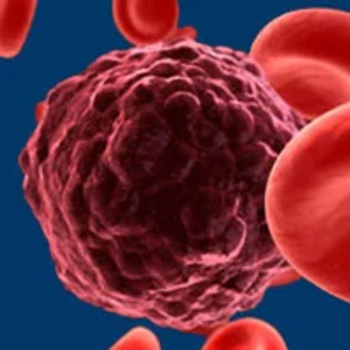
The trispecific killer cell engager product GTB-3550 was found to result in up to a 63.7% reduction in bone marrow blast levels in patients with high-risk myelodysplastic syndromes and relapsed/refractory acute myeloid leukemia.

Richard S. Finn, MD, discusses the data with pembrolizumab and nivolumab that support their utility in hepatocellular carcinoma.

Although the majority of the patient population is made up of women, males represent 1 in 100 cases diagnosed in the United States each year.
The European Commission has approved an expanded label for pembrolizumab for use as a single agent in the treatment of select adult and pediatric patients aged 3 years and older who have relapsed/refractory classical Hodgkin lymphoma.

A major barrier to routine genomic profiling of tumors in patients with biliary tract cancer is the lack of adequate tumor tissue in the biopsy samples; the analysis of circulating tumor DNA present in the plasma, is emerging as a promising alternative.

The MASP-2 inhibitor narsoplimab demonstrated high response rates and a significant improvement in laboratory markers and organ function irrespective of subgroup in adult patients with high-risk hematopoietic stem cell transplant–associated thrombotic microangiopathy.
Lisocabtagene maraleucel was successfully administered in patients with relapsed/refractory aggressive large B-cell lymphoma who were at nonuniversity medical centers in both the outpatient and inpatient settings through the use of standard operating procedures and multidisciplinary teams
Ruxolitinib has demonstrated sustained efficacy with a lower probability of progression or additional systemic therapeutics in patients with steroid-refractory acute graft-versus-host disease.
PARP inhibitors and novel combinations targeting the androgen receptor will help define the future treatment paradigm for patients with metastatic castration-resistant prostate cancer.

Single-agent bintrafusp alfa demonstrated efficacy, durability, and an acceptable toxicity profile when used in patients with locally advanced or metastatic biliary tract cancer who have progressed on or are intolerant of frontline platinum-based chemotherapy.
The FDA has granted priority review to the new drug application for the HIF-2α inhibitor belzutifan for the potential treatment of patients with von Hippel-Lindau–associated renal cell carcinoma that does not require immediate surgery.
The engineered cord endothelial cell product AB-205 showed an encouraging safety profile along with robust effects in eliminating oral/gastrointestinal severe regimen-related toxicities in patients with systemic lymphoma undergoing high-dose therapy and autologous hematopoietic stem cell transplantation.
The safety and efficacy of the antibody-drug conjugate camidanlumab tesirine is under investigation in patients with relapsed/refractory Hodgkin lymphoma as part of a phase 2 clinical trial, which recently completed accrual.

Axicabtagene ciloleucel elicited a high objective response rate of 85%, with a complete response rate of 74% when used as a first-line therapy in patients with high-risk large B-cell lymphoma.
A risk-adapted CD19 CAR T-cell therapy dosing approach allowed pediatric patients with relapsed/refractory acute lymphocytic leukemia to maintain a high rate of remission, while reducing the risk of severe toxicities among those with a high initial disease burden