

One in 7 Caribbean-born individuals with either breast or ovarian cancer had hereditary disease with an actionable pathogenic variant, which provides the opportunity for the utilization of targeted therapeutics and precise prevention strategies.

Your AI-Trained Oncology Knowledge Connection!
One in 7 Caribbean-born individuals with either breast or ovarian cancer had hereditary disease with an actionable pathogenic variant, which provides the opportunity for the utilization of targeted therapeutics and precise prevention strategies.

Prognosis and treatment recommendations for patients with breast cancer and brain metastases rely heavily on the tumor subtype; however, evolving evidence demonstrates that receptor expression and subtype grouping may change during the course of the patient’s disease.

Kira Gritsman, MD, PhD, discusses the significance of the VIALE-A trial examining venetoclax plus azacitidine in older patients with AML and the emergence of minimal residual disease as an important end point in clinical trials.

There are a number of strategies to reduce margin positivity, particularly after partial mastectomy, but the relative effectiveness of each varies, as do the data that support their use.

FDA approval of vaccines to prevent coronavirus disease 2019 is giving new focus to technologies with the potential to treat patients with cancer.
Determining the appropriate sequencing for chemotherapy and radiation in patients with locally advanced rectal cancer is important and may depend on whether the goal of therapy is nonoperative management.

Interferon-alpha has been shown to significantly improve both myelofibrosis-free survival and overall survival over hydroxyurea and phlebotomy only in patients with polycythemia vera.

Christopher D'Angelo, MD, discusses emerging CAR T-cell therapies and the challenges with using a 5-drug regimen.

Patrick Borgen, MD, discusses treatment strategies for patients with male breast cancer.

Trastuzumab deruxtecan represents a potential new standard of care for adults with locally advanced or metastatic HER2-positive gastric or gastroesophageal junction adenocarcinoma.

The combination of canakinumab plus docetaxel failed to significantly improve overall survival in patients with locally advanced or metastatic non–small cell lung cancer whose disease has progressed while on, or after, prior platinum-based chemotherapy and a PD-L1 agent, missing the primary end point of the phase 3 CANOPY-2 trial.

Treatment strategies for patients with breast cancer, especially the combination of anthracyclines and HER2-targeted therapies, come with an increased risk of heart failure and cardiac toxicity.
Corey S. Cutler, MD, MPH, FRCPC, discusses the potential clinical implications should belumosudil gain FDA approval in chronic GVHD.

The FDA has approved the VENTANA ALK CDx assay as a companion diagnostic to identify patients with ALK-positive non–small cell lung cancer who are eligible to receive treatment with lorlatinib.

Promising techniques in surgical oncology are on the horizon for the treatment of lymphedema, an incurable adverse event that can often arise after certain types of breast cancer treatment.

A phase 2 clinical trial has been initiated to evaluate Descartes-11, an mRNA CAR T-cell therapy, as a consolidative therapy in patients with newly diagnosed, high-risk multiple myeloma who have residual disease after induction therapy.

Cathy Eng, MD, FACP, FASCO, and Jordan D. Berlin, MD discuss pressing questions in hepatocellular carcinoma, colorectal cancer, gastric cancer, neuroendocrine tumors, and pancreatic cancer.

The United Kingdom’s National Institute for Health and Care Excellence will not recommend olaparib for the treatment of patients with hormone-relapsed, metastatic prostate cancer that harbors BRCA1 or BRCA2 mutations that has progressed on abiraterone acetate or enzalutamide.
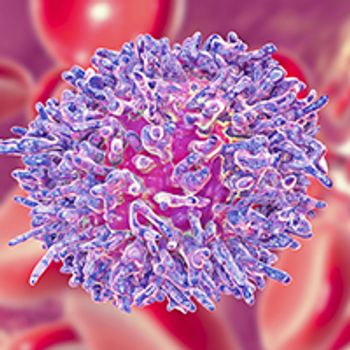
Ibrutinib as a frontline treatment led to sustained efficacy and impressive 4-year progression-free and overall survival rates in patients with chronic lymphocytic leukemia who have TP53 aberrations.
Margetuximab represents an effective new therapeutic option that can be combined safely with a chemotherapy drug of choice for patients with metastatic HER2-positive breast cancer who have undergone multiple lines of prior treatment.

Roche has withdrawn atezolizumab from the US market for the treatment of patients with metastatic urothelial carcinoma who had previously received platinum-based therapy.

Teclistamab demonstrated encouraging clinical activity, along with a tolerable safety profile, in patients with relapsed/refractory multiple myeloma.

Off Our Chests: A Candid Tour Through the World of Cancer is a memoir that dives into Liza Marshall’s breast cancer journey.

The FDA has granted an accelerated approval to axicabtagene ciloleucel for the treatment of adult patients with relapsed/refractory indolent follicular lymphoma after 2 or more lines of systemic therapy.

Debu Tripathy, MD, discusses some of the unanswered clinical questions that remain for patients with HER2-positive disease and some strategies for personalizing treatment in the neoadjuvant and adjuvant settings.

Atrayee Basu-Mallick, MD, discusses the role of circulating tumor DNA in patients with colorectal cancer.

With the identification of numerous molecular abnormalities that can affect treatment and the course of disease in patients with breast cancer, it’s become understood that genetic profiling can define clinical trial eligibility, the presence or absence of aberrations help to drive treatment decisions, and variants can be predictive for response or resistance.

Although there is evidence to suggest that surgery with or without radiation therapy can be utilized in some patients with stage IV breast cancer who have experienced locoregional progression or symptoms to some success with regard to locoregional disease control, most patients will not achieve a survival benefit.
CDK4/6 inhibitors plus aromatase inhibitors have shown benefit as frontline treatment for patients with hormone receptor–positive, HER2-negative advanced breast cancer, but more data are needed to determine their role as adjuvant therapy before they are adopted into standard practice for patients with early-stage disease.
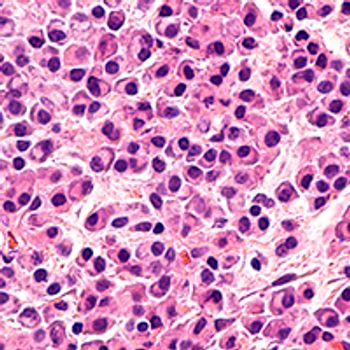
Maintenance treatment with lenalidomide was found to be a safe treatment for patients with multiple myeloma who are diagnosed with COVID-19, supporting use of the immunomodulatory drug in this patient population.