A new drug application has been submitted to the FDA for apalutamide (ARN-509) for the treatment of non-metastatic castration-resistant prostate cancer (CRPC).

Your AI-Trained Oncology Knowledge Connection!
A new drug application has been submitted to the FDA for apalutamide (ARN-509) for the treatment of non-metastatic castration-resistant prostate cancer (CRPC).
Treatment with copanlisib led to a median progression-free survival of 11.2 months and objective response rate of 59.2% in patients with relapsed/refractory indolent lymphoma.
The FDA has granted Fast Track designation to gilteritinib for adult patients with FLT3 mutation-positive relapsed/refractory acute myeloid leukemia (AML).
The FDA has granted a priority review to a supplemental new drug application for afatinib for the frontline treatment of patients with metastatic non-small cell lung cancer whose tumors harbor EGFR exon 21 (L861Q), G719X, or S768I substitution mutations.

Biocon has announced that the FDA has issued a complete response letter for Mylan’s biologics License Application for MYL-1401H, a proposed biosimilar for Amgen’s pegfilgrastim (Neulasta).
A supplemental new drug application has been submitted to the FDA for rucaparib as maintenance treatment for patients with recurrent epithelial ovarian, fallopian tube, or primary peritoneal cancer who are in a complete or partial response to platinum-based chemotherapy.
In topline results from the phase III JUNIPER trial, abemaciclib failed to meet its primary endpoint of improving overall survival versus erlotinib in patients with KRAS-mutated, advanced non–small cell lung cancer (NSCLC) who progressed after platinum-based chemotherapy.

Multivariate analysis of the Nordic MCL2 and MCL3 trials showed that the presence of TP53 mutations predicted worse overall survival in younger patients with mantle cell lymphoma.

The FDA has awarded Breakthrough Therapy Designation to osimertinib for first-line treatment of patients with metastatic EGFR mutation-positive non-small cell lung cancer (NSCLC).

Southern Cancer Center, a premier oncology clinic in Alabama and a practice in The US Oncology Network, is the first site in the world to open enrollment for a new clinical trial for newly diagnosed kidney cancer patients.
Investigators to present findings on Spine, Lung, Liver and Head and Neck Cancer Research at the 59th Annual ASTRO Meeting.
Prestigious award supports promising new direction in brain cancer research at Weill Cornell Medicine and NewYork-Presbyterian.
Lymphoma physician-scientist, leader and mentor made lifesaving contributions to the development of targeted cancer therapies.
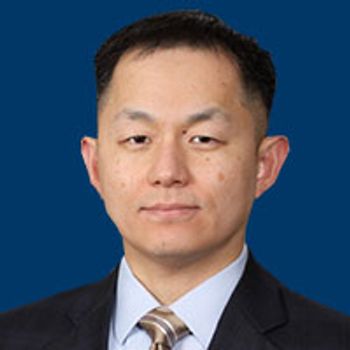
Harry H. Yoon, MD discussed the promise of immunotherapy and emphasized the importance of mismatch repair deficiency testing in gastric/GEJ Cancer.
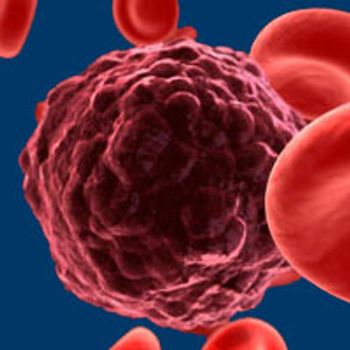
In the CALL-0603 study of 44 patients with first marrow-relapsed childhood acute lymphoblastic leukemia, the second complete remission rate was 72.7% for a chemotherapy regimen that included a reduced dose of idarubicin.
Andrew J. Armstrong, MD, discusses emerging treatments and techniques for precision medicine in metastatic castration-resistant prostate cancer.
Thomas A. Hensing, MD, discussed that modern technology and novel therapeutics must be managed by a multidisciplinary team to achieve optimal outcome for patients with stage III non-small cell lung cancer.
William R. Berry, MD, discusses luteinizing hormone-releasing hormone agonists versus antagonists as treatment options for patients and highlights the novel techniques for prostate cancer imaging.
Michael R. Harrison, MD, discusses emerging data that are likely to impact the treatment landscape for patients with RCC.
Tian Zhang, MD, discusses emerging results for patients with metastatic castration-sensitive prostate cancer.
Jyoti D. Patel, MD, discusses ongoing research investigating immunotherapy in combination with chemotherapy for patients with NSCLC.

Philip D. Bonomi, MD, discusses some of the known biomarkers in non-small cell lung cancer (NSCLC), the utilization of PD-L1, and other testing modalities.
Brant Inman, MD, discusses the biology of bladder cancer, the evolving role of checkpoint inhibitors, and the future of chemotherapy in the disease.
The Japanese Ministry of Health, Labor and Welfare has approved the use of daratumumab (Darzalex) for the treatment of adults with relapsed/refractory multiple myeloma.
The FDA has approved a supplemental new drug application for the use of 180-mg tablets of brigatinib for the treatment of patients with non–small cell lung cancer.
Merrick I. Ross, MD, discusses ongoing challenges in melanoma, including treating liver metastases, the diminished yet important role of surgery, and the need for better biomarkers.
Daniel J. George, MD, discusses the major questions practitioners are asking regarding optimizing upfront therapy for patients with mCRPC.
The FDA has awarded brentuximab vedotin (Adcetris) a breakthrough therapy designation for the first-line treatment of patients with classical Hodgkin lymphoma.
Peter Dottino, MD, discusses the utilization of molecular methods to identify ovarian cancer following treatment with chemotherapy, and how this type of research impacts the field going forward.
The FDA has granted a priority review to a supplemental biologics license application for pertuzumab (Perjeta) for use in combination with trastuzumab (Herceptin) and chemotherapy for the adjuvant treatment of patients with HER2-positive early breast cancer.