




Gastrointestinal Cancer
Latest News
Advertisement
Latest Videos






















































Advertisement
More News

Geoffrey Y. Ku, MD, discusses the rationale to evaluate zanidatamab in combination with chemotherapy in HER2-expressing gastroesophageal adenocarcinoma.

Rachna T. Shroff, MD, MS, discusses unmet needs in advanced biliary tract cancer.

Daniel Catenacci, MD, discusses navigating HER2 testing in gastric and gastroesophageal adenocarcinoma.

Julie K. Heimbach, MD, discusses the need for multidisciplinary care in patients with hepatocellular carcinoma.

John L. Marshall, MD, discusses the results of the phase 2 DESTINY-Gastric02 trial in HER2-positive gastric and gastroesophageal junction cancers.

Although the addition of eryaspase to chemotherapy improved overall survival over chemotherapy alone in patients with metastatic pancreatic cancer, the difference in benefit was not found to be statistically significant, missing the primary end point of the phase 3 TRYbeCA-1 trial.

The combination of durvalumab and chemotherapy resulted in a statistically significant and clinically meaningful improvement in overall survival compared with chemotherapy alone when used in the first-line treatment of patients with advanced biliary tract cancer, meeting the primary end point of the phase 3 TOPAZ-1 trial.

Mark Yarchoan, MD, discusses unique characteristics of fibrolamellar carcinoma.

Rachna T. Shroff, MD, discusses the importance of targeted therapy in advanced biliary tract cancer.

John Raymond Zalcberg, PhD, MBBS, discusses the rationale for intra-patient dose escalation with ripretinib, as was examined in the phase 3 INVICTUS trial in patients with advanced gastrointestinal stromal tumors.

David Zhen, MD, discusses the need for novel therapies in poorly differentiated small-cell-type neuroendocrine tumors.

The European Commission has approved nivolumab plus fluoropyrimidine- and platinum-based chemotherapy for the frontline treatment of adult patients with HER2-negative advanced or metastatic gastric, gastroesophageal junction, or esophageal adenocarcinoma whose tumors have a PD-L1 combined positive score of 5 or higher.
Fibrolamellar carcinoma is an extremely rare form of liver cancer that affects approximately 1 in 5 million Americans. However, because the disease appears so infrequently, it may be underdiagnosed.

Heloisa P. Soares, MD, PhD, discusses advances in the management of pancreatic neuroendocrine tumors.

Dr. Ilson discusses treatment sequencing for patients with gastric and gastroesophageal junction cancer, the integration of immunotherapy into the frontline setting, and key ongoing studies in the field.
Hepatocellular cancer, the most common primary liver malignancy, is the fourth-leading cause of cancer-related deaths globally.

John L. Marshall, MD, discusses key findings from the phase 2 DESTINY-Gastric02 trial examining fam-trastuzumab deruxtecan-nxki in patients with HER2-positive gastric cancer.

A single, high priming dose of tremelimumab plus durvalumab resulted in a statistically significant and clinically meaningful improvement in overall survival vs sorafenib when used in the frontline treatment of patients with unresectable hepatocellular carcinoma who had not previously received systemic therapy and were not eligible for localized treatment.

Sameek Roychowdhury, MD, PhD, discusses future research directions with FGFR inhibitors in patients with cholangiocarcinoma.

Daniel Catenacci, MD, discusses recent updates in gastroesophageal junction adenocarcinoma and esophageal squamous cell carcinoma.
The tide is starting to turn toward more effective frontline systemic therapies for patients with unresectable hepatocellular carcinoma as a result of the introduction of a novel immune-oncology combination.

Daniel H. Ahn, DO, discusses the increased understanding of cholangiocarcinoma.
Patients with pancreatic ductal adenocarcinoma experience limited benefit with available first- and second-line second line of therapy.

The triplet combination comprised of encorafenib, binimetinib, and cetuximab elicited encouraging responses with a manageable safety profile in patients with previously untreated BRAF V600E–mutant metastatic colorectal cancer, meeting the primary end point of the phase 2 ANCHOR-CRC trial.
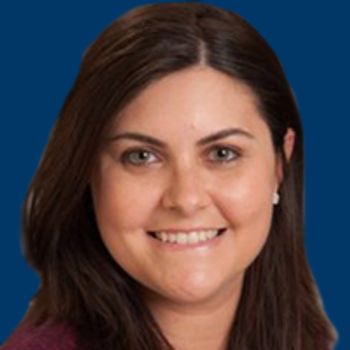
Heloisa P. Soares, MD, PhD, discusses recent developments in NETS, pancreatic cancer, and GEJ tumors, as well as sequencing strategies aimed at improving patient outcomes across GI cancers.
Advertisement
Advertisement
Trending on OncLive
1
Epcoritamab Plus R-CHOP Meets PFS End Point in Newly Diagnosed DLBCL
2
‘Our Impact Will Be Broad and Transformative’: Wells Messersmith, MD, Takes the Reins at CU Anschutz Cancer Center
3
FDA Approves Pirtobrutinib for Previously Untreated CLL/SLL
4
INBRX-106 Plus Pembrolizumab Improves Responses and PFS in First-Line PD-L1–Positive HNSCC
5