





Melanoma & Skin Cancer
Latest News
Advertisement
Latest Videos





































































Advertisement
More News
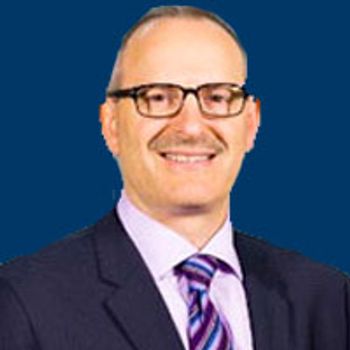
David Polsky, MD, PhD, discusses the development and clinical utility of biomarkers in melanoma.

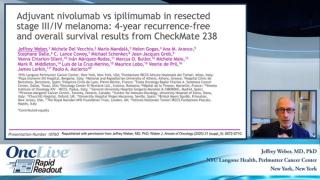
Jeffrey S. Weber, MD, PhD, discusses the activity of targeted therapy in metastatic melanoma, its adoption into the adjuvant setting, and the optimal use of immunotherapy in the space.

The Society for Immunotherapy of Cancer is developing a growing menu of guidelines with treatment algorithms for specific cancer types to help practicing oncologists navigate the appropriate use of this emerging modality.
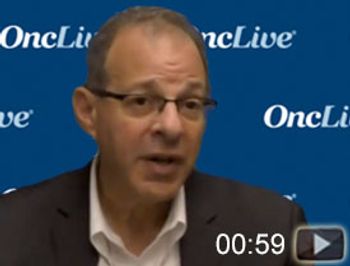
Mario Sznol, MD, discusses the adverse events that can occur from nivolumab in combination with ipilimumab for patients with melanoma.
Jason J. Luke, MD, FACP, discusses current and emerging treatment paradigms in metastatic melanoma.

Mario Sznol, MD, discusses the management of patients with melanoma who progress on immune checkpoint inhibitors.
Jennifer McQuade, MD, MS, MA, LAc, discusses how age may serve as a predictor of response to neoadjuvant immunotherapy for patients with melanoma.

The triplet regimen of atezolizumab, cobimetinib, and vemurafenib was found to improve progression-free survival compared with cobimetinib/vemurafenib plus placebo in patients with previously untreated BRAF V600 mutation–positive advanced melanoma.

Thomas Marron, MD, PhD, discusses the potential benefit of shortening the length of immunotherapy treatment in melanoma.
Jeffrey S. Weber, MD, PhD, looks to earlier use of immunotherapy and novel combinations in melanoma.
Adil Daud, MD, discusses the combination of dabrafenib and trametinib versus immunotherapy in patients with BRAF V600-mutant metastatic melanoma.

A triplet combining the PD-1 inhibitor spartalizumab with dabrafenib and trametinib led to a 12-month overall survival rate of 86.1% for patients with previously untreated advanced BRAF V600–mutant melanoma.

Ryan J. Sullivan, MD, discusses the rationale for BRAF/MEK combinations and immunotherapeutic combinations in melanoma and ongoing research examining triplet regimens.
Georgina V. Long, BSc, PhD, MBBS, FRACP, discusses the findings from a subgroup analyses of the CheckMate-067 trial.

The combination of cobimetinib (Cotellic) and vemurafenib (Zelboraf) maintained an advantage for overall survival and objective response rate in patients with BRAF-positive melanoma versus vemurafenib alone.

Patients with unresectable or metastatic BRAF V600-mutant melanoma who achieve a complete response to dabrafenib (Tafinlar) plus trametinib (Mekinist) are more likely to have improved survival outcomes at 5 years.
Isabella C. Glitza, MD, discusses a single-center phase I/Ib trial of concurrent intravenous and intrathecal nivolumab for patients with metastatic melanoma and leptomeningeal disease.

Grant McArthur, PhD, discusses significant results from the final analysis of the coBRIM trial, which evaluated the 5-year survival data of cobimetinib plus vemurafenib in patients with BRAF V600-mutated advanced melanoma.

Talimogene laherparepvec (T-VEC; Imlygic) prior to surgery was associated with improved recurrence-free survival and overall survival compared with surgery alone in patients with resectable advanced melanoma.

Ryan J. Sullivan, MD, discusses the significance of the BRAF/MEK combination dabrafenib and trametinib, which was the first BRAF/MEK inhibitor regimen to be approved by the FDA for the treatment of patients with BRAF V600E–positive stage III melanoma following complete resection.

Adil Daud, MD, discusses the role of dabrafenib plus trametinib in patients with advanced melanoma and highlighted other combinations under investigation.

Jeffrey S. Weber, MD, PhD, discusses the phase III EORTC1325/KEYNOTE-054 trial, which looked at adjuvant pembrolizumab in patients with stage III melanoma.
The combination of nivolumab (Opdivo) and ipilimumab (Yervoy) showed a sustained survival benefit compared with nivolumab or ipilimumab alone, according to 5-year follow-up results.

Gaudenz Danuser, PhD, discusses how the activation of RacP29S impacts the treatment of patients with melanoma. His lab has been studying the Rac molecule for around 20 years. The RacP29S mutation most commonly appears in melanoma, but it has since been discovered in a few other cancer types as well.
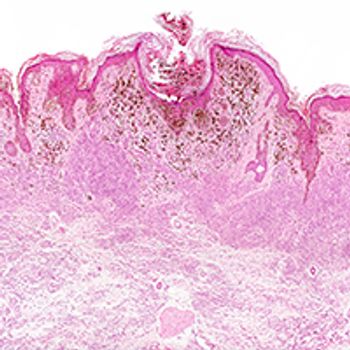
Combining a BRAF inhibitor with a MEK inhibitor causes endoplasmic reticulum stress in BRAF wild-type, NRAS­-mutated melanoma cells, resulting in significant antitumor activity.
Advertisement
Advertisement
Trending on OncLive
1
FDA Approves Atezolizumab Plus Chemo for Stage III dMMR Colon Cancer
2
VIR-5500 Receives FDA Fast Track Designation in mCRPC
3
China’s NMPA Approves Adjuvant T-DXd for HER2+ Early Breast Cancer With Residual Invasive Disease
4
MAVERICK, B7-H3–Directed ADCs, and ADAURA Data Headline Key Lung Cancer Findings From WCLC 2026
5