The European Commission has approved a fixed-dose combination of venetoclax and obinutuzumab for the treatment of patients with previously untreated chronic lymphocytic leukemia.

Your AI-Trained Oncology Knowledge Connection!
The European Commission has approved a fixed-dose combination of venetoclax and obinutuzumab for the treatment of patients with previously untreated chronic lymphocytic leukemia.
Combination therapy with cirmtuzumab and ibrutinib induced a 50% complete response rate in the phase I/II CIRLL study.

Randall A. Oyer, MD, was named the Association of Community Cancer Centers (ACCC) President for 2020-2021 at the ACCC 46th Annual Meeting & Cancer Center Business Summit held March 4-6 in Washington, D.C.

The FDA has placed a partial clinical hold on a phase I trial assessing the autologous T-cell therapy ACTR707 in combination with rituximab for patients with CD20-positive, B-cell non-Hodgkin lymphoma due to a safety concern.
Petros Grivas MD, PhD, discusses biomarker-driven and combination research in metastatic castration-resistant prostate cancer.
Shubham Pant, MD, discusses frontline treatment selection in metastatic pancreatic cancer and shed light on some of the latest research being done in the space.

Chung-Han (Joe) Lee, MD, PhD, discussed advancements in metastatic renal cell carcinoma regarding combination regimens and ongoing questions of how to treat patients upon disease progression.
The FDA has approved the CINtec PLUS Cytology test as the first biomarker-based triage test for women whose primary cervical cancer screening results are positive for the human papillomavirus using the cobas 4800 HPV Test.
The FDA has granted an accelerated approval to the combination of nivolumab and ipilimumab for the treatment of patients with hepatocellular carcinoma who have received prior therapy with sorafenib.
The FDA has granted a breakthrough therapy designation to JNJ-61186372 for the treatment of patients with EGFR-positive metastatic non–small cell lung cancer who harbor exon 20 insertion mutations, and whose disease has progressed on or after platinum-based chemotherapy.

The triplet therapy of ixazomib, lenalidomide, and dexamethasone showed an improvement in progression-free survival, but it was not statistically significant, compared with lenalidomide/dexamethasone alone for patients with newly diagnosed multiple myeloma who were ineligible for stem cell transplant.
Matthew H.G. Katz, MD, FACS, discusses data with neoadjuvant therapy and ongoing research in pancreatic cancer.
Kanwal Raghav, MBBS, MD, discusses the implications of molecular profiling on treatment decisions in metastatic colorectal cancer and the importance of referring patients to clinical trials.
Ahmed O. Kaseb, MD, discusses important considerations in the frontline treatment of patients with advanced hepatocellular carcinoma, the potential for targeted therapy in the space, and ongoing research with immunotherapy in earlier stages of disease.
Single-agent cisplatin did not lead to significantly higher pathologic complete response rates or improved residual cancer burden scores compared with doxorubicin plus cyclophosphamide in the neoadjuvant setting for patients with stage I to III HER2-negative breast cancer who harbor BRCA mutations.
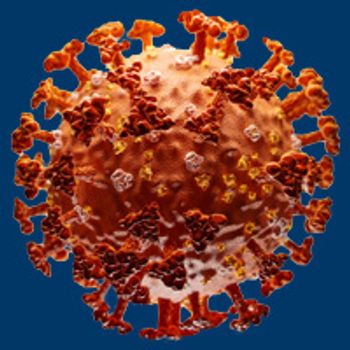
Patient concern about coronavirus 2019 varies by oncology clinic according to the OncologyLive® advisory board members, who discussed in a recent interview how COVID-19 has guided their patient interactions and what steps they are advising patients to take to protect themselves.

The paradigm for treating patients with HER2-positive breast cancer is changing throughout the spectrum of the disease as a result of recent clinical trial findings regarding novel and established treatment regimens, according to Sara A. Hurvitz, MD
The frontline treatment of patients with multiple myeloma continues to evolve with novel, multidrug regimens that are leading to higher, deeper, and more durable responses, as well as increased rates of minimal residual disease negativity.
Benjamin Leon Musher, MD, discusses sequencing challenges and research efforts needed regarding immunotherapy in hepatocellular carcinoma before it becomes a standard approach for patients.

The addition of elotuzumab to lenalidomide and dexamethasone did not show a statistically significant improvement in progression-free survival compared with lenalidomide/dexamethasone alone in patients with newly diagnosed, previously untreated, transplant-ineligible multiple myeloma.
Mohammad Maher Abdul-Hay, MD, discusses current standards for the treatment of patients with acute lymphocytic leukemia.
Adjuvant platinum-based chemotherapy reduced the risk of disease recurrence or death by 55% in patients with upper tract urothelial carcinoma, according to findings from the phase III POUT trial that have now been published in The Lancet.
Gareth J. Morgan, MD, PhD, discusses ongoing research of BCMA-targeted therapies, as well as the use of venetoclax in the myeloma treatment paradigm.
As coronavirus disease 2019 (COVID-19) continues to spread around the world, several oncology-based organizations are taking precautionary measures to protect physicians and patients alike from infection, including making the decision to postpone, or even cancel, select medical conferences.

Madan Jagasia, MBBS, MS, MMHC, discusses the current treatment landscape and next steps in graft-versus-host-disease.
Durvalumab alone did not improve overall survival compared with standard-of-care chemotherapy in patients with unresectable urothelial cancer whose tumors had high levels (≥25%) of PD-L1 expression, missing both primary endpoints of the phase III DANUBE trial.
Larotrectinib continued to show strong tumor-agnostic efficacy in patients with TRK fusion–positive cancers, according to results from an integrated analysis of 3 clinical trials.
The FDA has granted an orphan drug designation to umbralisib for the treatment of patients with follicular lymphoma.
Researchers at the Mayo Clinic maintain that all women aged 65 or under with a breast cancer diagnosis should receive germline genetic testing to identify harmful mutations that increase their risk of developing secondary cancers.
Bruce G. Raphael, MD, discusses recent pivotal trials in chronic lymphocytic leukemia and the utility of triplet regimens for older patients.