
Catherine Smith, MD, discusses the evolution of FLT3 inhibition in AML and ongoing studies that are poised to potentially change practice.
Catherine Smith, MD, discusses the evolution of FLT3 inhibition in AML and ongoing studies that are poised to potentially change practice.
Gabriel Mannis, MD, discusses novel therapies shifting the treatment paradigm for patients with AML.
Weiyun Z. Ai, MD, PhD, assistant clinical professor, Department of Medicine, University of California San Francisco, speaks to the relevance of mogamulizumab (Poteligeo) in treating Sezary syndrome, a rare and aggressive form of cutaneous T-cell lymphoma
Catherine Smith, MD, assistant professor, Division of Hematology/Oncology, Department of Medicine, University of California San Francisco, discusses developing active therapeutic combinations for the treatment of patients with acute myeloid leukemia
Charalambos (Babis) Andreadis, MD, MSCE, associate professor of clinical medicine, Department of Medicine, UCSF Helen Diller Family Comprehensive Cancer Center, discusses chimeric antigen receptor (CAR) T-cell therapy in lymphoma.
Gabriel Mannis, MD, assistant professor, University of California, San Francisco Helen Diller Family Comprehensive Cancer Center, discusses new methods of treatment for acute myeloid leukemia.
Nina Shah, MD, associate professor, Department of Medicine, University of California, San Francisco Helen Diller Comprehensive Cancer Center, classifies two antibody-type treatments for patients with myeloma.
Jeffrey Wolf, MD, clinical professor, Department of Medicine, director, Myeloma Program, University of California, San Francisco Helen Diller Family Comprehensive Cancer Center, details the role maintenance therapy has in treating patients with myeloma.
Aaron Logan, MD, PhD, assistant professor of clinical medicine, UCSF Helen Diller Family Comprehensive Cancer Center, discusses treatment options for patients with chronic lymphocytic leukemia.
Hope S. Rugo, MD, discusses a variety of agents for the treatment of patients with ER-positive breast cancer, such as mTOR inhibitors, PI3K inhibitors, and CDK4/6 inhibitors, in addition to novel targeted therapies being investigated in TNBC.
Melanie Majure, MD, discusses the optimal role chemotherapy for patients with TNBC and the importance of achieving a pCR.
Michelle E. Melisko, MD, clinical professor of medicine, University of California, San Francisco (UCSF), explains the discussion around duration of use of aromatase inhibitors in patients who have estrogen receptor-positive breast cancer.

Hope Rugo, MD, professor of medicine, director of the Breast Oncology Clinical Trials Program, UCSF Helen Diller Family Comprehensive Cancer Center, discusses immunotherapy in triple-negative breast cancer.
Thomas Hope, MD, assistant professor of abdominal imaging and nuclear medicine at University of California, San Francisco (UCSF), discusses the future of imaging for biochemical recurrent prostate cancer.
Rahul Aggarwal, MD, an assistant professor of Hematology/Oncology, director of the STAND Clinic, Helen Diller Family Comprehensive Cancer Center, University of California, San Francisco, discusses the future of androgen deprivation therapy (ADT) for patients with prostate cancer.
Charles J. Ryan, MD, professor of medicine and urology, Helen Diller Family Comprehensive Cancer Center, University of California, San Francisco, discusses bone-targeting agents for patients with prostate cancer.
Michelle E. Melisko, MD, discusses a variety of pivotal trials with adjuvant hormonal therapy and other developments in the treatment of patients with ER-positive breast cancer.

Hope Rugo, MD, professor of medicine, director of the Breast Oncology Clinical Trials Program, UCSF Helen Diller Family Comprehensive Cancer Center, discusses late recurrence in patients with hormone receptor (HR)-positive breast cancer.
Laura van ’t Veer, PhD, Leader of the Breast Oncology Program, and director of Applied Genomics, UCSF Helen Diller Family Comprehensive Cancer Center, discusses the guidelines for genetic testing in breast cancer.
Thomas Hope, MD, discusses the novel technique PSMA-PET and how, if approved, it will significantly alter detection of biochemically recurrent prostate cancer.
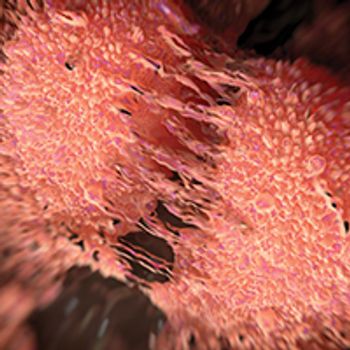
Rahul Aggarwal, MD, discussed the success of recent studies of androgen-deprivation therapy in prostate cancer, as well as its future utilization in various stages of disease.
Adil Daud, MD, clinical professor, Department of Medicine, Helen Diller Family Comprehensive Cancer Center, at University of California, San Francisco, discusses the current status of immunotherapy in melanoma.
Alan P. Venook, MD, The Madden Family Distinguished Professor of Medical Oncology and Translational Research at the University of California, San Francisco Helen Diller Family Comprehensive Cancer Center, discusses the role of chemotherapy in metastatic colorectal cancer (CRC).
Matthew Gubens, MD, discusses how far the field of NSCLC has come with molecular testing, the challenges still ahead, and what novel assays could be on the horizon.
R. Kate Kelley, MD, associate professor, University of California, San Francisco, discusses biomarkers for immunotherapy in hepatocellular carcinoma.
Hope S. Rugo, MD, clinical professor, Department of Medicine, director, Breast Oncology Clinical Trials Program, of UCSF Helen Diller Family Comprehensive Cancer Center, discusses the MONARCH I study in hormone receptor-positive, HER2-negative breast cancer.
Thomas Hope, MD, assistant professor, UCSF Helen Diller Family Comprehensive Cancer Center, discusses the Gallium 68-Dotatate PET scan in the imaging of neuroendocrine tumors (NETs).
Jasmine Rassiwala, MD, resident physician, University of California, San Francisco, discusses the analysis of the “all-comers” downstaging protocol, which investigated whether there were upper limits in tumor burden for successful downstaging of patients with hepatocellular carcinoma to liver transplant.
Francis Yao, MD, gastroenterologist and medical director of the Liver Transplant Program at the University of California San Francisco Medical Center, discusses liver transplants beyond Milan criteria for patients with liver cancer.
Alan P. Venook, MD, The Madden Family Distinguished Professor of Medical Oncology and Translational Research at the University of California, San Francisco Helen Diller Family Comprehensive Cancer Center, discusses important factors for oncologists to consider when treating patients with colorectal cancer.