
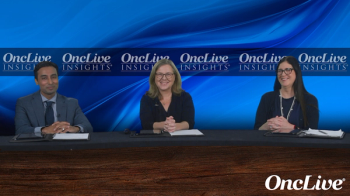
The panel provides clinical insights on the treatment of a patient with metastatic EBV-positive nasopharyngeal carcinoma.
The panel provides clinical insights on the treatment of a patient with metastatic EBV-positive nasopharyngeal carcinoma.
David Rimm, MD, PhD, discusses the limitations of current HER2 immunohistochemistry assays in breast cancer.
Shravan Kandula, MD, presents the case of a patient with locally recurrent nasopharyngeal carcinoma.
Victoria M. Villaflor, MD, discusses the integration of PD-1 inhibitors into standard treatment practices for patients with nasopharyngeal carcinoma.
The panel provides clinical insights on nasopharyngeal carcinoma treatment practices and outlines unmet needs in the current therapeutic landscape.
Victoria M. Villaflor, MD, highlights ways to mitigate adverse events for patients receiving treatment for nasopharyngeal carcinoma.
Experts on nasopharyngeal carcinoma outline the role of immunotherapy and discuss external factors that inform treatment decisions.
Shravan Kandula, MD, reviews findings from the DIPPER trial, which is investigating adjuvant PD-1 blockade with camrelizumab in patients with nasopharyngeal carcinoma.
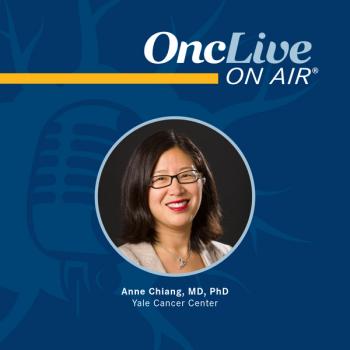
Dr Chiang discusses the use of lurbinectedin in small cell lung cancer and tips for managing toxicities associated with this agent.
A medical oncologist discusses the value of PD-L1 as a biomarker in the treatment of patients with nasopharyngeal carcinoma.
Victoria M. Villaflor, MD, provides insights on the role of immune checkpoint inhibitors in treating nasopharyngeal carcinoma, focusing on the JUPITER and POLARIS-2 clinical trials.
Michael Cecchini, MD, discusses findings from the ARC-9 trial investigating an etrumadenant-based combination in patients with previously treated mCRC.
Shravan Kandula, MD, reviews the current guidelines for the treatment of patients with nasopharyngeal carcinoma.
Experts on nasopharyngeal carcinoma (NPC) provide an overview of the disease, highlighting its incidence, how it’s differentiated from other head and neck cancers, and the benefits of multidisciplinary care.
David A. Braun, MD, PhD, discusses the variety of therapies available for the treatment of patients with kidney cancer.

Soki Kashima, MD, PhD, discusses a study investigating T-cell phenotypes associated with response or resistance to checkpoint inhibitors in RCC.
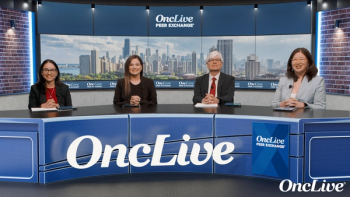
In a forward-looking discussion, Ticiana Leal, MD; Anne Chiang, MD, PhD; Afshin Dowlati, MD; and Tarita O. Thomas, MD, PhD, offer their concluding insights on the evolving landscape of clinical trials and the future directions of small cell lung cancer (SCLC) treatment, highlighting promising areas of research and potential breakthroughs that may shape the management of this challenging disease in the years to come.
Roy S. Herbst, MD, PhD, discusses the evolution of targeted therapies in EGFR-mutated NSCLC, as well as hurdles associated with biomarker testing.
Experts delve into the DAREON-8 Phase 1 clinical trial, assessing the potential impact of incorporating the study into the current treatment algorithm for small cell lung cancer (SCLC).
Medical experts review the Ideate-Lung02 phase 3 clinical trial, exploring the potential for ifinatamab to elicit durable responses in patients with advanced small cell lung cancer (SCLC), and discussing the implications of these findings for the future treatment landscape of SCLC.

The panel looks to the future landscape for HER2+ breast cancer, highlighting emerging treatment practices and currently unmet needs.
Focusing on the selection of subsequent therapies for patients with HER2-low/HER2+ metastatic breast cancer, the panel discusses treatment sequencing considerations and practices.
Roy S. Herbst, MD, PhD, discusses the importance of consulting a multidisciplinary tumor board when making treatment decisions for patients with NSCLC.
In a detailed analysis, key opinion leaders (KOLs) review the results of the DELLphi-301 Phase 2 clinical trial, assessing the efficacy of platinum-based chemotherapy in the treatment of small cell lung cancer (SCLC) and its impact on overall survival outcomes for patients enrolled in the study.
In a focused discussion, Anne Chiang, MD, PhD, explores the sequencing of later-line therapies for limited-stage small cell lung cancer (LS-SCLC), emphasizing key factors to consider when making treatment decisions for patients who have progressed on initial therapy.
Breast cancer specialists discuss adverse events associated with T-DXd, focusing on monitoring for interstitial lung disease (ILD) and the role of re-challenging patients with T-DXd after resolution of grade 1 ILD.
Aditya Bardia, MD, MPH, shares comprehensive insights on the DESTINY-Breast06 study evaluating T-DXd in HER2-low and HER2 ultra-low metastatic breast cancer, and the panel offers its initial impressions.
Ian Krop, MD, PhD, provides an overview of HER2-low and HER2 ultra-low breast cancer and discusses challenges encountered during diagnosis.
Experts on breast cancer discuss the potential impact of ongoing research in HER2+ breast cancer, highlighting how results from the DESTINY-Breast07 study may translate to DESTINY-Breast09.

Press Release
Natural killer cells hold promise for treating cancer; Yale researchers have found a way to overcome their main limitation.